Learn the basics, compare EV types, understand charging, and explore the benefits of plugging in — all in one place.
Shop NowZero emissions. No more stopping for gas.
Electric when you want it. Gas when you need it.
Electric power and gas take your MPG further.
Electric power created by hydrogen. Water is the only emission.
An electric vehicle (EV) has a sufficiently large battery while sporting an electric motor that is powerful enough to deliver long range driving capability and performance without even needing a gas tank or engine. Reducing CO2 emissions by going fully electric is one way to lessen our impact on the environment. Zero tailpipe emissions.
A plug-in hybrid vehicle (PHEV) is a gasoline-powered hybrid with a noticeably larger battery and has the capability to recharge it using an external power source. When the battery has charge, it behaves similar to an electric car but the engine fires up. When the battery begins to get low, it also uses regenerative braking to save fuel.
A hybrid is a 100% gasoline-fueled vehicle but does not rely entirely on its gas engine for propulsion. Hybrids have electric motors that will sometimes work in tandem with the engine to save fuel. Methods of regenerative braking are used to help you accelerate next time your car is at a complete stop.
Like all electric vehicles, fuel cell vehicles use electricity to power an electric motor. The difference being that fuel cell EVs produce electricity using hydrogen instead of solely relying on a battery. Creating a true zero emission vehicle.
Up to $7,500 rebate. Additional state incentives may apply.
Several state, local utilities and others offer additional incentives.
Normal upkeep and repairs are less likely with EV vehicles. Less time at the service shop, more time on the road.
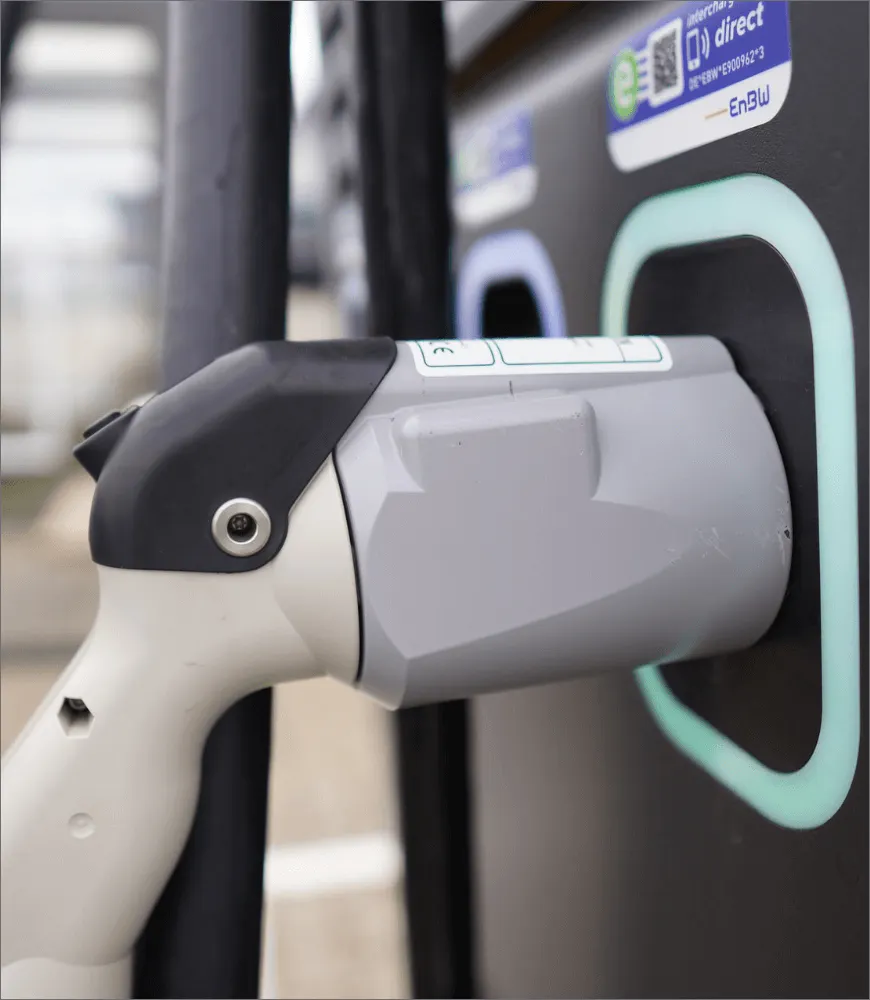
Charge at home, work, or one of the many growing number of public charging stations.
Electric motors create smooth but instant torque and acceleration, making for a quiet yet exciting ride.
Save money by using only electric power for short distances and gas for longer trips.
Good for drivers traveling short distances. Ability to charge around 2-5 miles of range every hour.
Anywhere a 3-prong outlet exists, you’re charge ready.
The preferred option for charging quicker at home. Ability to charge around 10-20 miles of range every hour.
These home installations can be performed by licensed electricians.
You can find these Level 2 chargers in public at nationwide charging stations.
The fastest method to charge up on the move. Ability to charge around 60+ miles of range every 20 minutes.
Only available at public charging stations.
Charge times will vary depending on the type of charger in use.